
Uncovering centuries of history beneath Belhus Park’s fairways.
Belhus Park isn’t just home to outstanding golf and green space — beneath the fairways lies a landscape steeped in centuries of history. New research from Historic England has confirmed the survival of Tudor and Jacobean garden remains at this Grade II registered site, offering a remarkable glimpse into Belhus’s past.
The estate dates back to the 14th century, passing to the Barrett family who built one of Essex’s largest estates. Lancelot ‘Capability’ Brown later redesigned the grounds between 1753 and 1763, and although Belhus House was demolished in 1957, much of Brown’s landscape survives beneath the surface.

Findings
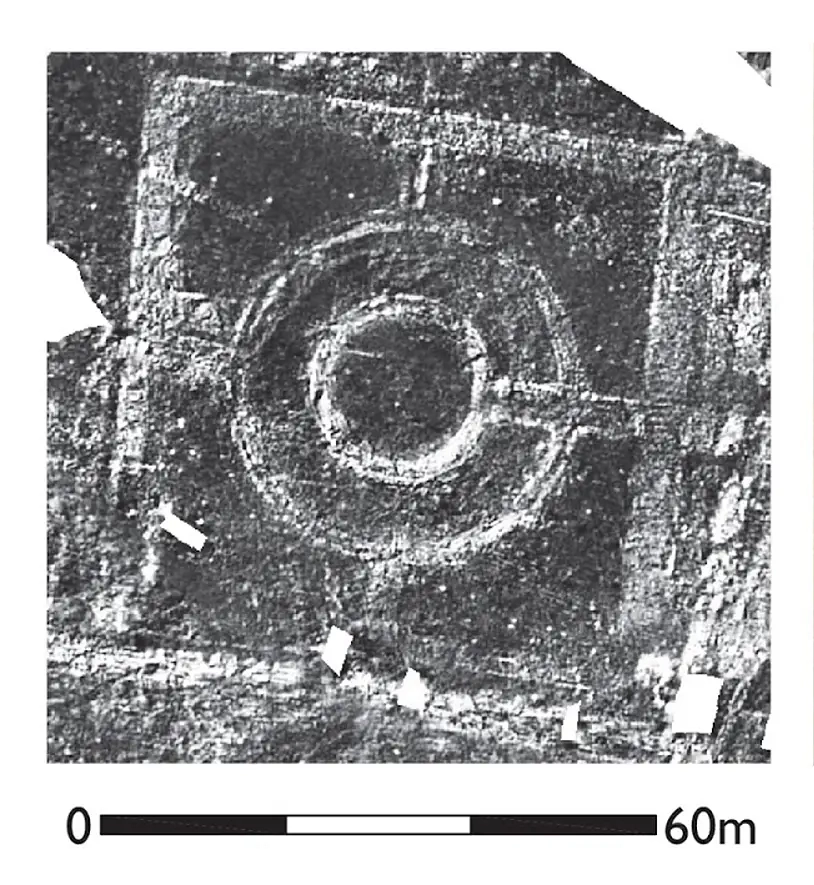
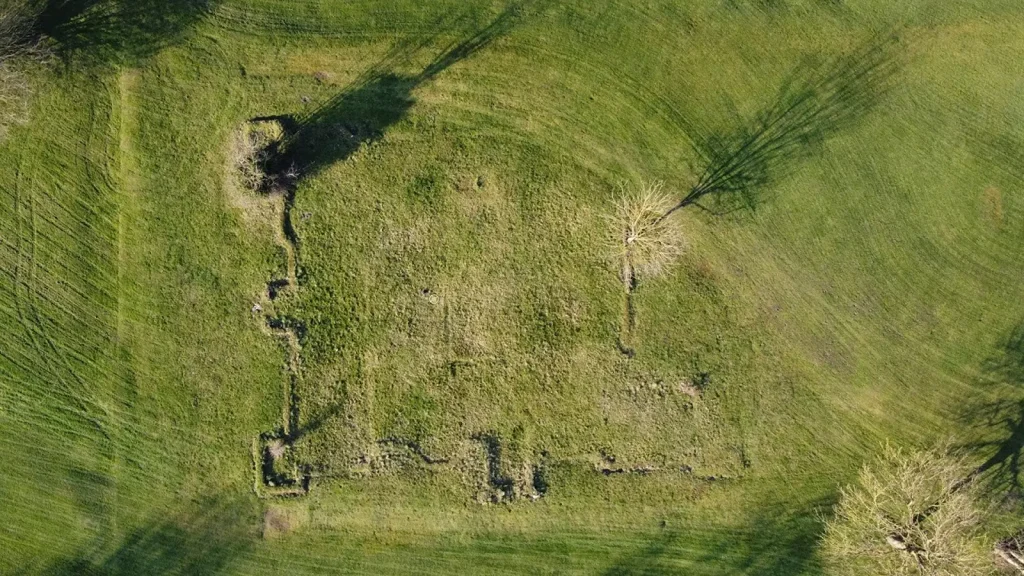
As part of the National Lottery Heritage Fund’s ‘Designed Landscapes’ project, Historic England has confirmed the survival of Tudor and Jacobean garden remains at the Grade II registered Belhus Park.
Historic Records
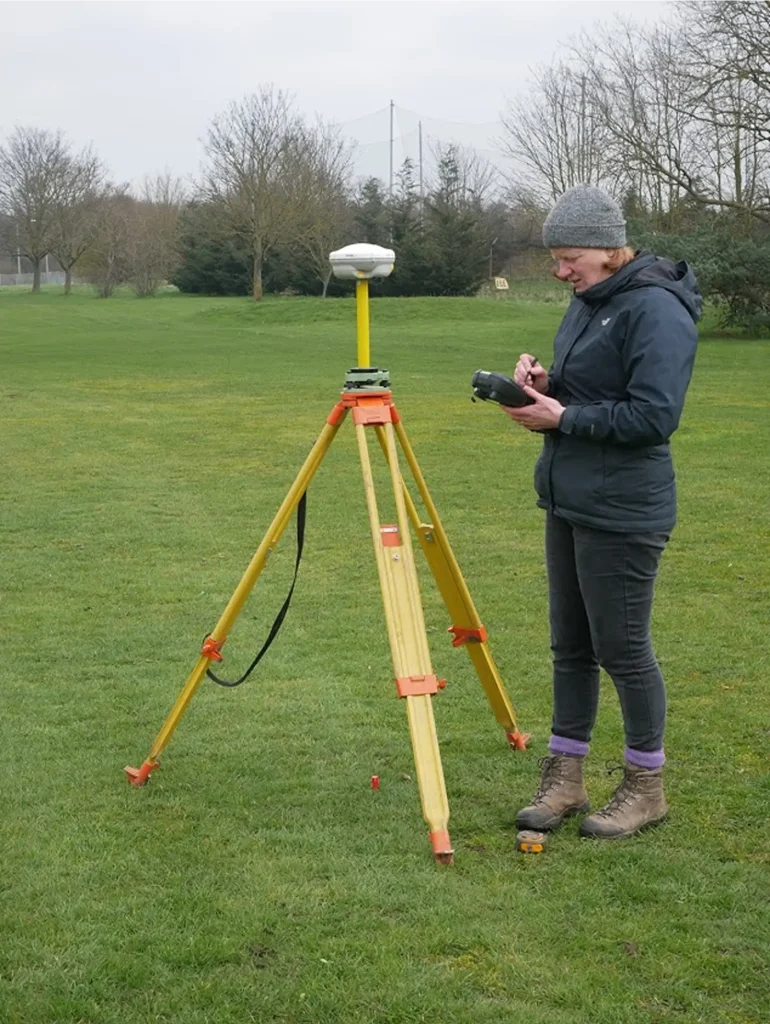
Volunteers compared aerial photographs and remote sensing data with a 1619 pictorial survey and an early 18th-century painting of the estate.

What's Next
This research provides a valuable foundation for a new Conservation Management Plan for the wider Belhus Park estate — helping landowners and operators work together to protect and raise awareness of this important historic landscape.
Historic England will continue to work in partnership with Impulse Leisure, Thurrock Council, The Woodland Trust, Essex County Council, The Thames Chase Trust and other partners to support the site’s long-term conservation, with a view to removing Belhus Park from Historic England’s Heritage at Risk Register.
While many of the historic garden features lie within the live golf course and aren’t publicly accessible, there’s hope that future opportunities will open up for community engagement, volunteering and exploring this fascinating site. If you’d like to learn more, visit the Capability Brown Clubhouse at Belhus Park Golf Course, or read the full Historic England report for a closer look at the fieldwork and findings.